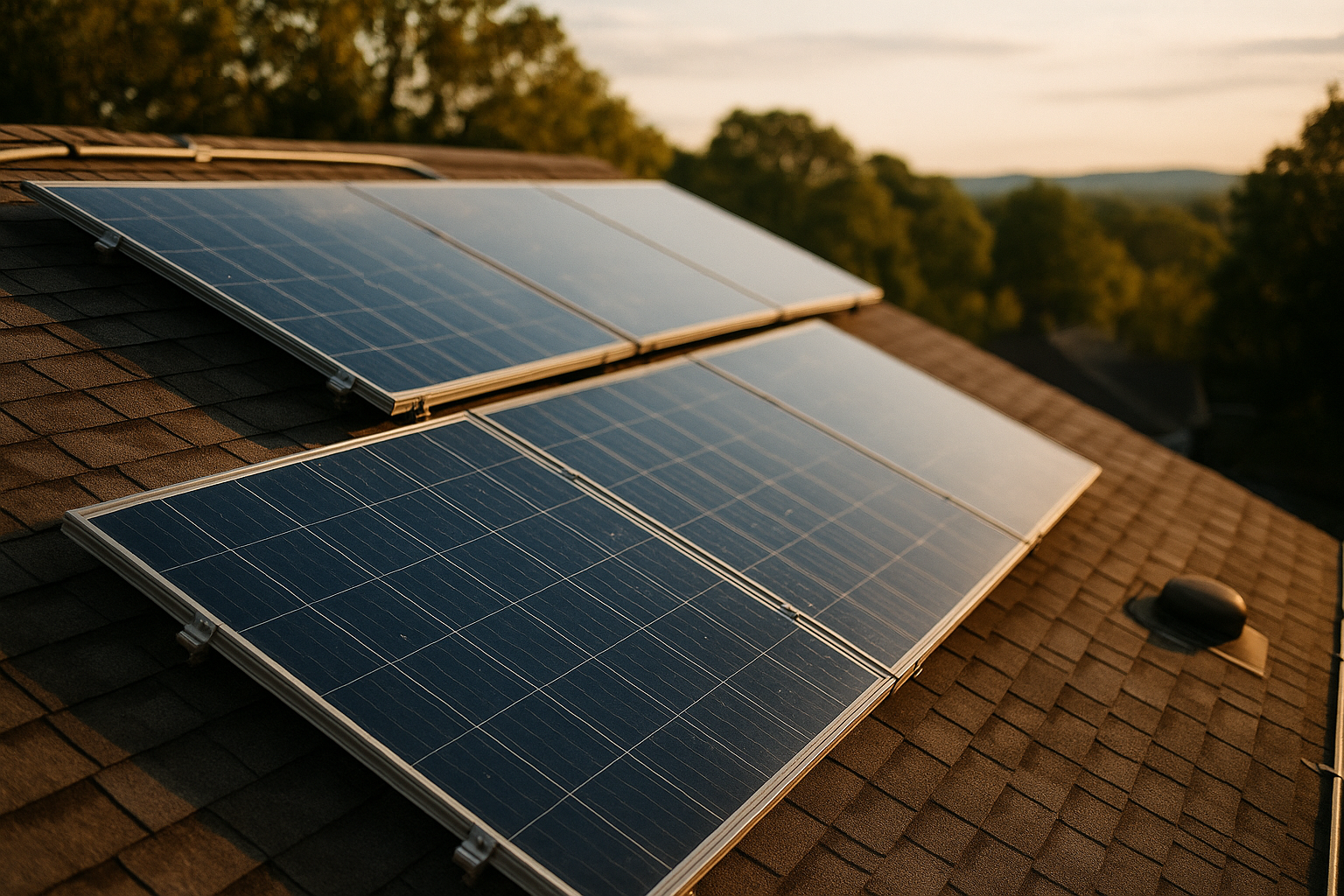
More information about solar panels and solar panels
Why Solar Now: Context, Benefits, and What This Guide Covers
Energy prices have been unpredictable, weather extremes keep testing the grid, and households everywhere are looking for practical ways to gain control. Solar panels offer an elegant response: they convert a resource that arrives free each morning into dependable electricity. Over the past decade, module prices have dropped significantly, and modern systems are more efficient, better built, and easier to monitor. For many homes, that means a path to lower, steadier bills and a smaller carbon footprint without sacrificing comfort.
Insolation varies by location, but a rule of thumb is that each kilowatt of panels can produce roughly 3–6 kilowatt-hours per day depending on climate, orientation, and shading. That production range helps explain why home solar has grown quickly in regions with strong sunlight and supportive policies. Yet sunlight alone is not the whole story. A successful project also depends on workmanship, permits, interconnection rules, and choosing an installer who stands behind the system for decades.
Before diving into details, here’s an outline of what follows, so you can skim to what matters most:
– Solar panels explained: types, efficiency, temperature effects, and warranties
– How to evaluate a solar panel installation company: credentials, proposals, and red flags
– Solar panels for home: sizing, costs, incentives, financing, and return on investment
– Installation timeline, permits, inspections, maintenance, and monitoring
– Practical next steps tailored to homeowners considering solar now
Think of this guide as a field manual with a conversational tone. We will translate datasheet specs into what they mean on your roof, unpack quotes so you can compare apples to apples, and share examples that make the math feel intuitive. Along the way, you will find small checklists to help you stay organized. By the end, you should have a clear, grounded sense of whether solar fits your home, your budget, and your plans.
Solar Panels Explained: Types, Efficiency, and Performance
At the heart of every system is the photovoltaic module—silicon wafers wired together to transform sunlight into electricity. The most common categories you’ll encounter are monocrystalline, polycrystalline, and thin‑film. Monocrystalline panels, recognized by their uniform dark appearance, typically reach higher efficiency, often around 19–23% in current residential offerings. Polycrystalline panels, with a speckled blue tone, usually land in the 16–19% range. Thin‑film panels are lighter and flexible in some cases, yet their lower efficiency can require more roof area to achieve the same output.
Efficiency tells you how effectively a panel converts the sunlight that hits it into electricity. But it’s not the only metric that matters. Two other specs on the datasheet deserve attention: temperature coefficient (how performance drops as cells heat up) and degradation rate (how output declines over time). Typical temperature coefficients range from about −0.3% to −0.5% per degree Celsius above the laboratory test condition. On a hot roof, that difference adds up: a panel with a gentler coefficient can preserve more output during summer afternoons.
Degradation is slow but inevitable as materials age. Many modern panels are warranted to produce around 80–88% of their original output after 25 years, with annual degradation rates commonly between 0.25% and 0.7%. That warranty, combined with a separate product warranty for defects (often 10–25 years), frames the long-term value proposition. When you evaluate panels, think in terms of lifetime energy—not just day‑one watts. A slightly higher‑efficiency module with stronger long‑term performance and robust warranties can yield more kilowatt-hours per square foot over decades.
Datasheets can feel dense, so focus on a few essential lines:
– Module efficiency (%): how much power per unit area
– Temperature coefficient (Pmax): sensitivity to heat
– Power tolerance: how closely real output matches the nameplate
– Mechanical load ratings: wind and snow resilience
– Fire rating and certifications: code compliance and safety testing
While the physics are elegant, the outcome is practical. Sunlight becomes direct current, which an inverter transforms into grid‑ready alternating current. Add racking to secure panels, wiring to carry power safely, and monitoring to keep an eye on performance, and you have a home power plant that hums quietly through the day. Good components matched to your climate and roof layout make the difference between a system that looks fine on paper and one that consistently delivers the energy your household expects.
Choosing a Solar Panel Installation Company: Credentials, Proposals, and Red Flags
Panels and inverters are only as effective as the team that designs and installs them. A qualified solar panel installation company brings electrical expertise, roofing know‑how, local code fluency, and project management under one roof. Start by verifying that the company holds all required licenses in your jurisdiction, carries general liability and workers’ compensation insurance, and can demonstrate recent, similar projects in your area. Ask for addresses you can drive by and references you can call. Longevity matters because you want the firm that installs your system to be around to honor warranties and provide service.
A thorough proposal tells a story backed by data. It should include a roof layout with azimuth and tilt, shading analysis based on imagery or on‑site measurements, an annual production estimate using a recognized weather dataset, and a breakdown of system size in both DC (array) and AC (inverter) terms. Expect to see equipment specifications, conduit routing notes, roof attachment methods, and structural considerations. The financial section should itemize pricing, incentives the company expects you to qualify for, and a timeline from contract to permission to operate. Transparency here is a sign of professionalism.
When comparing firms, ask how they handle key steps: site survey, engineering review, permitting, utility interconnection, inspections, and post‑installation support. Clarify whether crews are in‑house or subcontracted and who will be on site. Request workmanship warranty terms in writing; ten years on labor and roof penetrations is common in many markets, though terms vary. Equally important is how the company responds to questions before you sign—if communication is slow now, it may not improve later.
Watch for these warning signs:
– Pressure to sign immediately with expiring “today‑only” discounts
– Vague production estimates without shading details or satellite imagery
– Unclear warranty responsibilities between manufacturer and installer
– Minimal or no mention of permits, inspections, or interconnection steps
– Refusal to provide license, insurance, or recent local references
Finally, consider service after the panels are live. Ask about monitoring access, alert settings, maintenance guidance, and response times if something underperforms. A well‑run company treats your system like a long‑term relationship: they document everything, hand you a clean closeout package, and remain reachable. That reliability, while not as flashy as efficiency numbers, often determines whether your experience feels seamless or stressful.
Solar Panels for Home: Design, Costs, Financing, and ROI
Design begins with your electricity use. Gather 12 months of bills to capture seasonal swings, then total your annual kilowatt‑hours. To estimate system size, divide that annual figure by your local “sun hours” (average daily peak sun multiplied by 365) and adjust for system losses. As a simple example, a home using 9,000 kWh per year in a location averaging 5 peak sun hours per day might target around 6–7 kW DC after accounting for real‑world factors like temperature, wiring, and inverter efficiency. Roof orientation, shading, and local code setbacks will shape the final layout.
Costs vary widely by region, roof complexity, and equipment choices. A typical residential system might fall in the range of roughly $2.20–$4.00 per watt before incentives, with higher pricing more likely on tile roofs, steep pitches, or projects requiring electrical upgrades. A 7 kW system under that range would sit around $15,400–$28,000 before incentives. Many areas offer credits, rebates, or favorable tariffs that materially reduce net cost, and in some countries a federal tax credit around 30% of eligible costs has been available—always verify current policies where you live, as programs and eligibility change.
Financing options influence total value:
– Cash purchase: lowest lifetime cost and maximum savings, but highest upfront outlay
– Solar loan: spreads payments over 5–20 years; interest adds cost, yet savings can offset a portion of payments
– Lease or power purchase agreement: low or no upfront cost; the provider owns the system, and you pay a fixed or indexed rate for energy or a lease fee
To visualize return on investment, line up annual bill savings against costs. Suppose a 7 kW system produces 10,000 kWh/year and your blended electricity rate is $0.22/kWh. That’s about $2,200 in year‑one bill reduction before any fixed charges or time‑of‑use effects. If your net installed cost after incentives were $17,000, a simple payback would land near 7.7 years, with performance declining slowly over time due to degradation and electricity rates likely rising at an uncertain pace. Many homeowners see paybacks of roughly 6–12 years depending on rates, incentives, and self‑consumption.
Policies matter. Net metering and time‑of‑use schedules determine how you are credited for exports and charged for imports. Where export credits are modest, designs that align more production with your daytime usage can improve value—think staggered panel orientations or adding load‑shifting strategies, such as pre‑cooling the home or running appliances when the sun is strongest. Batteries can increase self‑consumption and provide backup, but they add cost; their value pivots on your utility rates, outage risk, and personal priorities.
Above all, weigh more than sticker price. Optimize for lifetime energy, reliability, and a financing structure that fits your cash flow. A clear, data‑rich proposal that models multiple scenarios will help you choose with confidence.
Installation Timeline, Maintenance, and What to Do Next
Once you sign a contract, the solar journey shifts from planning to execution. A typical project includes a site survey to take precise measurements, an engineering and electrical review, permit applications, utility interconnection paperwork, and material procurement. Timelines vary by jurisdiction, but permitting and utility approvals often drive the schedule more than the physical install. The on‑roof work itself usually spans one to three days for a standard residential array, followed by inspections and a utility meter change or reprogramming. The finish line is “permission to operate,” the moment your system can legally export and you begin watching the meter spin backward at midday.
After your array goes live, monitoring becomes your early‑warning system. Modern setups provide app or web dashboards that show hourly and daily generation. Get in the habit of checking weekly so you notice anomalies early—production that trails expectations on clear days, or a sudden drop in one section of the array. Inverters and related electronics are high‑performing but not immortal; many are expected to last 10–15 years, so plan for a mid‑life replacement in your long‑term budget. Storms, debris, or wildlife can also affect wiring, which is why a workmanship warranty and responsive service matter.
Maintenance is light but not zero. Rain handles most cleaning, yet dusty or pollen‑heavy regions may benefit from occasional rinsing with soft water and a gentle brush when panels are cool and shaded. Avoid abrasive tools and high‑pressure sprays that can damage glass or seals. Keep trees trimmed to limit shading and leaf buildup. Record serial numbers and warranties in a single folder, and save a copy of your approved plans; they are invaluable for service calls or when selling the home.
Here is a quick homeowner checklist for ongoing care:
– Review monthly production against the installer’s estimate and seasonal norms
– Inspect for shade creep as trees grow or neighboring structures change
– Schedule a professional inspection if output drops unexpectedly
– Update monitoring logins and contact details if you change internet service
Conclusion and next steps: If your roof has adequate sun, your bills are meaningful, and you plan to stay put for several years, solar deserves a close look. Start by collecting your last 12 months of usage, snapping roof photos from ground level, and noting any planned roof work. Request multiple proposals with identical sizing assumptions so you can compare clearly. Ask installers to show their calculations, shade assessments, and warranties in writing. With a solid plan, a capable solar panel installation company, and a realistic budget, you can turn your rooftop into a quiet, steady generator that supports your household for decades while adding resilience you can feel on the first bright morning after a storm.


